
Moving out of your NYC apartment is stressful enough without worrying about cleaning. The good news: apartment move out cleaning in NYC doesn’t have to be complicated if you know what you’re doing. Whether you’re cleaning it yourself or hiring professionals, this guide walks you through exactly what needs to happen before you hand over the keys.
What Move Out Cleaning Actually Includes
Move out cleaning is different from your regular weekly tidy. Landlords and property managers expect the apartment to be spotless, which means deep cleaning areas you might normally skip.
Related: Residential Cleaning Apartment NYC: Complete Guide
Related: Deep Cleaning Apartment Manhattan: Complete Guide
Related: Move Out Cleaning Apartment New York: Complete Guide
Here’s what you’re usually looking at:
- Walls, baseboards, and door frames wiped down
- Windows, inside and out, plus tracks and sills
- Bathroom scrubbing (tiles, tub, toilet, sink, mirrors)
- Kitchen deep clean (appliances inside and out, cabinets, counters, backsplash)
- Floors vacuumed, mopped, or stripped depending on the surface
- Light fixtures, ceiling fans, and vents dusted
- Closets and storage areas cleaned
- Any marks, scuffs, or stains addressed
If you live in a studio, 1-bedroom, or 2-bedroom apartment, the scope is the same—just scaled to your square footage. Some buildings have extra requirements, so check your lease or ask your landlord what they expect.
Should You Clean It Yourself or Hire Help?
This depends on your timeline, physical ability, and attention to detail. If you’re moving out in two weeks and juggling boxes, self-cleaning gets real tough. If you’re detail-oriented and have the time, you can save money doing it yourself.
Hiring professionals for apartment move out cleaning in NYC guarantees the job gets done right—and on time. Professional cleaners bring their own equipment, know what landlords look for, and can usually turn around a unit faster than you can manage solo. Many services offer free estimates so you can figure out the cost before committing.
Step-by-Step Cleaning Checklist
If you’re going the DIY route, here’s how to tackle it systematically.
Start with the bathrooms. Remove everything from under the sink and shelves. Scrub the toilet (inside and out), then the tub or shower with a good bathroom cleaner. Wipe down all tile, grout, and surfaces. Clean mirrors and light fixtures. Don’t forget the exhaust fan cover.
Move to the kitchen next. Empty all cabinets and wipe the insides. Clean the stovetop thoroughly, including the backsplash. Wipe down the inside of the microwave, dishwasher, and refrigerator (yes, people notice). Clean cabinet exteriors, handles, and knobs. Mop the floor last so you don’t drag dirt across clean surfaces.
Tackle walls and baseboards throughout. Use a magic eraser or appropriate cleaner for your wall finish. Get every scuff mark, especially in hallways and entryways where traffic is heavy. Don’t skip light switches and door handles—they show fingerprints.
Hit the floors. Vacuum everything first, including under furniture. Mop hard floors or shampoo carpets if needed. If your carpet is stained, consider professional carpet cleaning as a separate service.
Windows come last. Clean inside panes, frames, sills, and tracks. Outside windows depend on your building’s access and lease terms.
Final sweep. Do one last walk-through to spot anything you missed. Check closets, vents, and blind slats.
Timeline: When Should You Start?
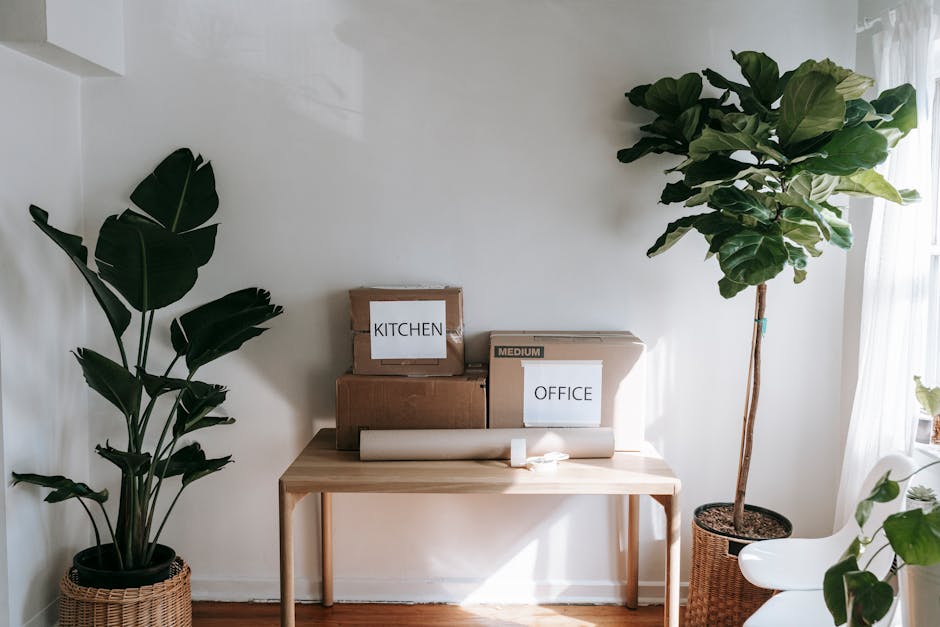
Ideally, start planning your move out cleaning at least two weeks before your move date. This gives you time to deep clean without feeling rushed. If you’re hiring professionals, book them about a week before move-out so you have a deadline and peace of mind.
If you’re moving mid-month and your lease runs to the end of the month, plan to finish cleaning a day or two before your official move-out date. This way, you’re not cleaning while movers are still there tracking in dirt.
Supplies You’ll Need
Gather these before you start so you’re not running out mid-clean:
- All-purpose cleaner and bathroom-specific cleaners
- Microfiber cloths and sponges
- Mop and bucket (or mop pads if you have a dry-mop system)
- Vacuum with attachments
- Magic erasers for wall marks
- Dish soap and degreaser for kitchen
- Disinfectant spray
- Gloves to protect your hands
- A ladder for high areas like ceiling fans and light fixtures
You don’t need expensive specialty products. Basic, affordable cleaners work fine if you put in the effort.
Common Problem Areas Landlords Notice
Some spots get flagged more than others. Pay special attention here:
Inside appliances. Landlords open the oven, dishwasher, and refrigerator. Grime buildup inside gets noticed immediately. Spend extra time here.
Grout and tile caulk. Mold or discoloration in bathrooms stands out. If you can’t get it clean, it might stain your security deposit.
Carpet stains. Professional carpet cleaning might be worth the cost if you have stubborn spots. Water stains and pet accidents are common deposit deductions.
Paint touch-ups. Walls with holes, dents, or marks might need minor paint touch-ups. Check your lease to see if you’re responsible for this.
Blinds and baseboards. These collect dust and are easy to overlook. They also easy to spot when they’re dirty.
When to Hire Professional Move Out Cleaners

Some situations make hiring professionals the smart choice. You’re moving out of state and can’t oversee the cleaning yourself? Professionals handle it. You have mobility issues or just can’t physically manage deep cleaning? That’s what they’re for. You want to guarantee your security deposit back? Manhattan Cleaning Solutions and other professional services specialize in move-out work and know exactly what landlords expect.
Professional cleaners also bring industrial-strength equipment and access to supplies that work better than store-bought options. They finish faster because they do this every day.
After You Move Out: Final Walkthrough
Schedule a walkthrough with your landlord or property manager right after cleaning. Bring them through the space while it’s still fresh. If they spot something you missed, you can address it immediately rather than fighting about it over email later.
Take photos and video of the cleaned apartment. This protects you if there’s a dispute about the condition or your security deposit.
Frequently Asked Questions
How long does apartment move out cleaning take?
A studio or 1-bedroom usually takes 4-6 hours if you’re working alone and detail-oriented. A 2-bedroom might take 6-8 hours. Professional cleaners work faster because they have efficient systems and multiple people, so a crew might finish in 3-4 hours. Your timeline also depends on how dirty the apartment is and how thoroughly you want to clean.
Can I get my security deposit back without professional cleaning?
Yes, if you do a thorough job yourself. Many people successfully move out and return their deposits without hiring cleaners. The key is being detail-oriented and not missing the areas landlords inspect closely, like appliance interiors, grout, and baseboards. If you’re worried, hiring professionals removes that risk.
What if I find damage while cleaning out my apartment?
Document it with photos right away and notify your landlord in writing. Don’t try to hide damage or assume you’ll pay for it. Being honest upfront is better than being surprised by a large deduction later. Some damage might be considered normal wear and tear (which landlords cover) versus damage you caused (which you might pay for).
Do I need to clean the outside of windows?
Check your lease first. If your apartment is on a high floor and you can’t safely access outside windows, your landlord shouldn’t expect you to clean them. Ground-floor apartments with accessible windows should have them cleaned if they’re part of the standard move-out expectation in your building.